How Proper Pruning Reduces the Risk of Broken Branches and Property Damage
Shrub trimming protects against storm damage when it removes weak growth, reduces wind resistance, and keeps plants from rubbing against your home. Overgrown shrubs catch heavy wind and rain. Weak or dead branches snap easily. When shrubs are shaped and thinned at the right time, they handle strong storms much better and are less likely to damage siding, windows, fences, or roofing.
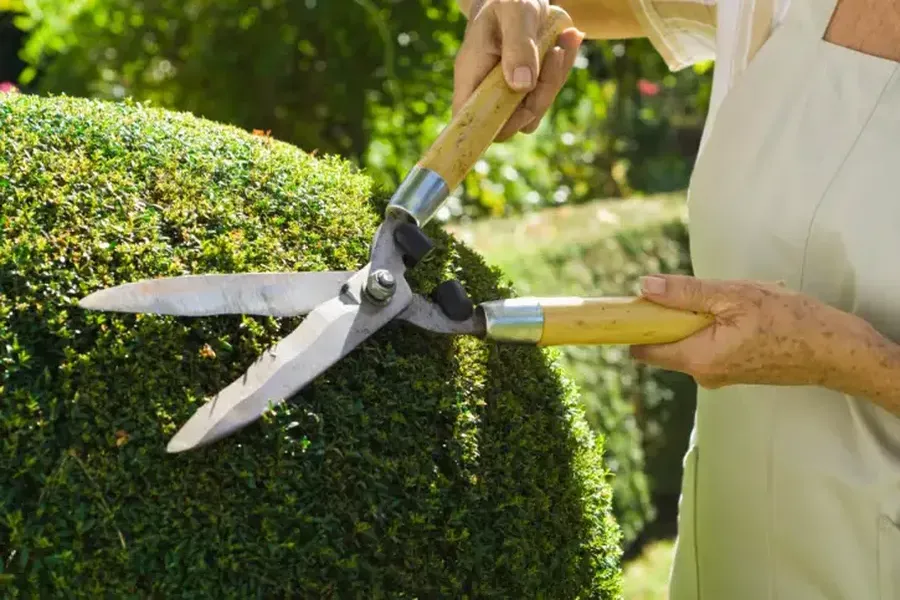
Why Prevention Matters Before Storm Season
Storms can turn small landscape problems into major repairs. Bushes that look full and healthy on a calm day may become a hazard in high winds. Long, top-heavy branches act like sails. Thick outer growth traps rain and adds weight. If shrubs sit close to your house, even a broken limb can cause costly damage.
Routine shrub trimming lowers that risk. It improves airflow through the plant. It also keeps growth balanced so one side does not pull the plant over during heavy wind. A little yard maintenance now can help you avoid emergency cleanup later.
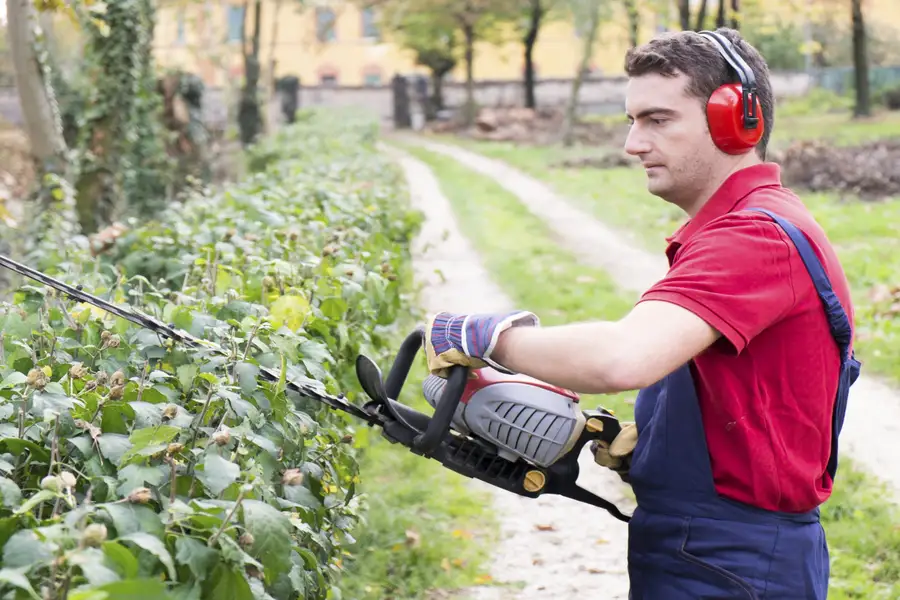
Early Warning Signs Your Shrubs Are Storm Risks
You do not have to wait for a storm to spot trouble. Watch for these signs:
- Dead or brittle branches inside the shrub
- Branches touching your roof, siding, or windows
- Very dense outer growth with no light inside
- Leaning shrubs with shallow roots
- Split or cracked stems
If you see these problems, the shrub is more likely to break apart during strong wind or heavy rain. Acting early makes trimming easier and safer.
Seasonal Checklist to Reduce Storm Damage
Simple, routine care keeps shrubs stronger all year. Use this basic checklist as a guide:
- Inspect shrubs at the start of storm season.
- Remove dead, diseased, or crossing branches.
- Thin crowded areas to let wind pass through.
- Cut back growth that hangs over roofs or walkways.
- Shape the plant to keep weight evenly balanced.
- Clear debris from the base to prevent rot.
Spring and early summer are common times for trimming, but timing depends on the shrub type. Flowering shrubs may need pruning right after they bloom. Fast-growing hedges may need light shaping more than once a year.
Best Practices for Long-Term Results
Good shrub trimming is not about cutting everything back hard. In fact, over-pruning can weaken the plant. Focus on selective cuts that support healthy structure.
Make clean cuts just above a bud or branch joint. Use sharp, clean tools to prevent tearing. Do not remove more than one-third of the plant at a time. Keeping a natural shape helps shrubs stay strong.
Spacing also matters. Shrubs planted too close together compete for light and grow tall and thin. That weak growth snaps easily in storms. If your landscape feels crowded, adjusting plant placement can help in the long run.
Healthy shrubs with deep roots and balanced growth are less likely to fail when storms hit.
What Not to Do Before a Storm
Some well-meaning yard work can make things worse.
- Do not shear the outer layer only and leave dense growth inside.
- Do not top shrubs unevenly.
- Do not leave large stubs that invite disease.
- Do not wait until the day before a major storm warning.
Last-minute cutting often leads to rushed, unsafe work. It is better to plan trimming as part of ongoing landscape maintenance.
When to Schedule Professional Help
Some situations call for trained help. Large, mature shrubs require the right tools and knowledge. Shrubs growing close to power lines or rooflines can be risky to handle alone. If storm damage has already occurred, broken limbs may be under tension and unsafe to cut without proper technique.
A professional can evaluate plant health, shape the shrub for strength, and spot hidden issues like rot or root problems. Regular service keeps your property safer and your landscape looking neat.
Protect Your Property Before the Next Storm
If you live in Montrose, CO, storm season can bring strong wind and heavy rain that test every part of your yard. At Green Season Landscape, we provide careful shrub trimming to help lower the risk of broken branches and property damage. We focus on safe cuts, balanced growth, and long-term plant health. Call us at (970) 212-9889 to schedule service and get your landscape ready before the next storm hits.