How Stacking Plants by Height Creates Depth, Beauty, and Balance
Layering plant heights in landscape design means placing taller plants in the back, medium plants in the middle, and shorter plants in the front. This simple approach adds depth, makes your yard look fuller, and helps each plant stand out. It also improves sunlight flow and makes maintenance easier. When done right, your outdoor space feels balanced and inviting instead of flat or crowded.
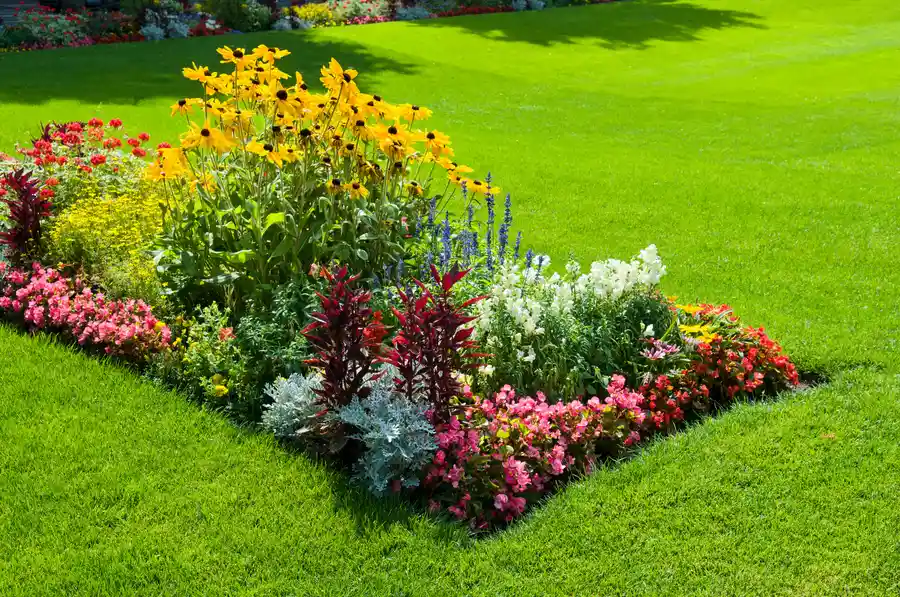
What You Need Before You Start
Before you begin layering, take a close look at your yard. Notice how much sun each area gets. Check soil type and drainage. Measure the space so you know how wide and tall your planting beds are.
It also helps to know the mature height of each plant. A small shrub at the garden center may grow six feet tall in a few years. Planning ahead keeps plants from blocking each other later.
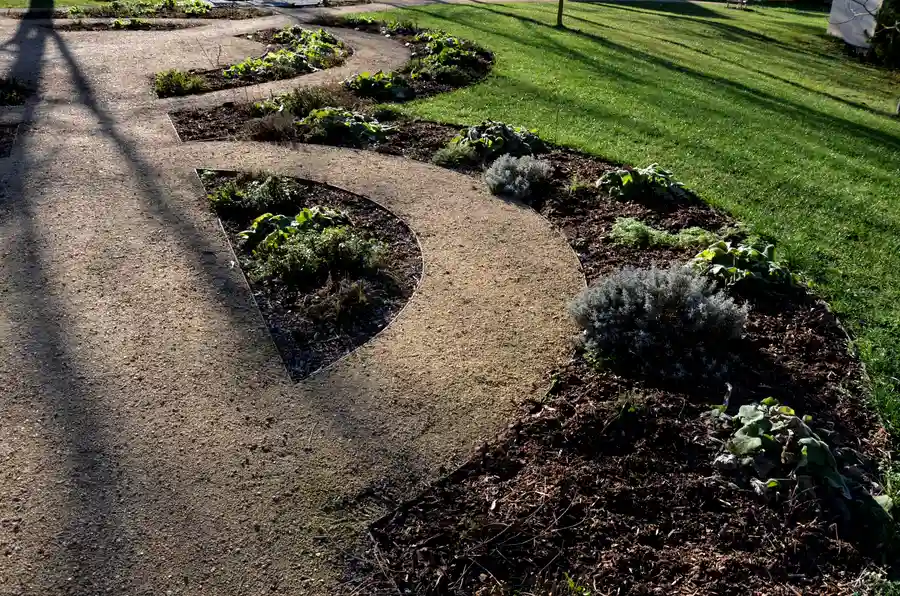
Sketch your planting area on paper. Mark where fences, walls, or walkways sit. This gives you a better idea of where taller plants will look best without overwhelming the space.
Step-by-Step Guide to Layering Plant Heights
Layering works best when you follow a simple order. Here is an easy process to use:
- Start with the tallest plants. Place trees, tall shrubs, or ornamental grasses in the back of beds or along fences.
- Add medium-height plants. Fill the middle with shrubs or flowering plants that reach about halfway up the tallest plants.
- Finish with low growers. Plant groundcovers, small perennials, or edging plants along the front.
- Repeat colors or textures. This ties the layers together so they look planned, not random.
- Leave space for growth. Check plant tags and allow room for spread.
This method works well in both large yards and small front beds. Even a narrow strip along a fence can look rich and full with smart layering.
Common Mistakes to Avoid
Many homeowners plant based on what looks nice at the store. That often leads to problems later. Here are mistakes to watch for:
- Placing tall plants in the front where they block windows.
- Choosing plants that all grow to the same height.
- Ignoring how wide shrubs will spread.
- Mixing plants with very different water needs.
- Forgetting about seasonal changes, like bare branches in winter.
When all plants sit at the same height, your yard can look flat. When tall plants block shorter ones, the smaller plants may not get enough sun. A thoughtful landscape design plan prevents these issues and keeps the layout clean.
How Layering Improves Curb Appeal and Function
Layering does more than make a yard look pretty. It also improves how the space works. Taller plants can act as a natural screen for privacy. Medium plants soften fences and walls. Low plants help define walkways and reduce soil erosion.
In front yard landscape design, layering guides the eye from the street to your front door. It creates a gentle flow. Guests feel drawn toward the entry instead of distracted by random plant heights.
Layered planting can also reduce weeds. When beds are filled at different levels, there is less open soil for weeds to grow. This saves time on maintenance during the busy season.
When to Call a Professional
Some projects are easy to handle on your own. Small garden beds with a few shrubs may only need basic planning. Larger yards or uneven properties can be more complex.
You may want professional help if:
- Your yard has slopes or drainage issues.
- You plan to add trees near structures.
- You want a full redesign, not just a small update.
- You feel unsure about plant spacing and growth patterns.
A team experienced in landscape design can map out heights, spacing, and plant groupings that fit your home style. They may also suggest service upgrades such as outdoor lighting to highlight different layers at night. Lighting placed at ground level and behind taller plants can create soft shadows and add depth after sunset.
Ready to Create a Layered Outdoor Space?
If you want a yard in Montrose, CO that feels full, balanced, and easy to care for, layered planting is a smart choice. Our team at Green Season Landscape designs outdoor spaces that use height, color, and texture in a thoughtful way. We plan every bed with growth and long-term beauty in mind. Call us at (970) 212-9889 to talk about your goals and see how we can build a layered landscape that fits your home and lifestyle.